
The 2026 Boat Market Reset: What Buyers and Sellers Need to Know
- Ben Ward

- Mar 6
- 7 min read

If you’ve been watching the yacht market, especially in Florida over the past year, you may have noticed something unusual. Boats that would have sold within weeks or even days just a few years ago are sitting on the market. Listings are aging. Price reductions are becoming more common. And even during what is normally the peak selling season, transactions seem slower than expected.
For many people, the question keeps coming up:
What is happening to the boat market in 2026?
The answer is we are experiencing what can best be described as a market reset. After several years of extraordinary demand during and immediately following the pandemic, the boating industry is transitioning back to more normal market conditions.
While this shift can feel unsettling, it is a natural correction after one of the most intense demand cycles the industry has ever seen. Understanding the forces behind this reset can help both buyers and sellers make better decisions in the current environment.
The 2026 Boat Market Reset Explained
The COVID Boating Boom
To understand today’s market, we need to look back at what happened between 2020 and 2023. It was a crazy time in the boat sales industry.
During the pandemic, boating experienced an unprecedented surge in demand. Travel restrictions, remote work, and a desire for socially distanced recreation pushed thousands of new buyers into the boating lifestyle. Many people who had never even considered owning a boat before suddenly saw it as the perfect way to spend time with family and friends.
The result was a dramatic shift in the supply and demand balance.
Boat inventories dropped to historic lows. New boat production struggled to keep up with demand and due to supply chain disruptions. Used boats often sold within days of being listed. In many cases, buyers were bidding for the same vessel and paying well above asking price. During this period, used boat values climbed significantly across nearly every segment of the market.
For brokers, it was one of the most active sales periods in recent memory. But like all rapid market expansions, it was never going to last forever.
The Post-Pandemic Correction
As the world returned to normal and travel reopened, demand for boats began to cool. Many of the buyers who entered the market during the pandemic had already purchased their boats, and fewer new buyers were entering the pipeline.
At the same time, something else began to happen...
A growing number of pandemic-era owners started listing their boats for sale.
Some realized they weren’t using the boat as much as they expected. Others were facing higher operating costs than anticipated. And in some cases, owners simply decided it was time to move on.
This has created a significant increase in inventory in the used boat market.
More boats on the market means buyers have more choices, which naturally leads to longer selling times and more price negotiation. What we are seeing today is not a collapse in the boating industry, but rather a rebalancing between supply and demand.
Interest Rates and Financing
One of the most significant factors affecting the boat market today is interest rates.
During the pandemic boom, financing was extremely inexpensive. Buyers could secure marine loans at historically low rates, making boat ownership more accessible for many people.
Since then, interest rates have increased substantially. Higher cost of capital has reduced the number of buyers who are comfortable financing a boat purchase. For example, a monthly payment on a financed yacht today may be significantly higher than it would have been just a few years ago.
This shift has had one of the greatest impacts on what many brokers refer to as the “middle market”—boats that are commonly financed by buyers rather than purchased outright with cash. This isn't because owners can't afford to pay cash, but because they want to preserve precious capital.
When financing becomes more expensive, buyers tend to become more cautious. They take more time to evaluate options, negotiate harder, and sometimes postpone purchases altogether.
Rising Ownership Costs
In addition to financing costs, the overall expense of owning a boat has increased in many areas, particularly in Florida.
Insurance premiums have risen dramatically in recent years, especially for vessels based in hurricane-prone regions. Many insurers have tightened their underwriting requirements, and some owners have seen their annual premiums increase substantially.
Dockage and marina space have also become more expensive and harder to find in many desirable boating areas, especially in Florida. Corporations like Suntex and Safe Harbor are buying up many of the mom and pop marinas and the cost for dockage is increasing. With roughly 240,000 to 250,000 boats being built annually and slips for 1 out of every 3-4 boats over 30ft, not including visiting transient boats, mega yachts, and seasonal snowbirds, the supply of slips is dramatically short of demand.
Maintenance costs, labor rates, and fuel prices have also trended upward. For prospective buyers evaluating whether to purchase a boat, these ongoing ownership expenses play an important role in the decision-making process. In some cases, higher operating costs have caused buyers to pause or reconsider their plans.
A Shift in Buyer Behavior
Another notable trend in today’s market is the way buyers are approaching the purchasing process.
During the peak years of the pandemic boom, buyers often felt pressure to move quickly. Desirable boats could sell within hours or days of being listed, and hesitation sometimes meant losing the opportunity.
Today, buyers are behaving very differently.
They are spending more time researching the market, comparing listings, and watching prices. Many buyers monitor boats for weeks or even months before making an offer. When they do make an offer, it is often more aggressive than what sellers may have expected during the boom years.
This slower, more deliberate buying behavior can make the market feel quiet, even though there is still significant interest and activity happening behind the scenes.
Inventory Is Returning
For the first time in several years, inventory levels across many segments of the boat market are returning to more typical levels.
This is actually healthy for the long-term stability of the industry.
A balanced market requires a reasonable amount of inventory so buyers can compare options and make informed decisions. When inventory becomes extremely tight, prices can rise quickly and distort market expectations.
As more boats come onto the market, prices eventually adjust to reflect current demand conditions. For buyers, this creates opportunities that were difficult to find just a few years ago. For sellers, it means that pricing strategy and presentation are more important than ever.
Not All Boats Are Affected Equally
It’s important to understand that the current market shift is not impacting every segment of the industry in the same way.
Some categories of boats remain quite strong, particularly those that are well-maintained, competitively priced, and built by respected manufacturers. Pedigree vessels with strong reputations for quality and performance often continue to attract serious buyers, even in slower market conditions.
At the same time, boats that are overpriced relative to comparable listings may sit on the market much longer than sellers expect.
In today’s environment, buyers have more options and are willing to wait for the right opportunity.
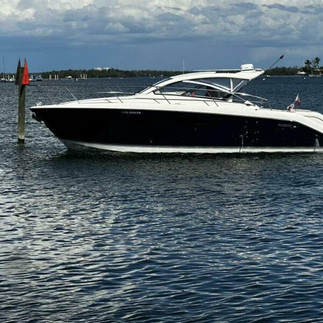
Shop Ward Yacht Sales inventory of premium used boat listings:





The Importance of Accurate Pricing
One of the biggest challenges in the current market is pricing expectations.
Many sellers still remember the peak values achieved during the pandemic years and assume those prices remain realistic today. In reality, the market has shifted. Boats that are priced based on current comparable sales tend to receive the most attention and sell faster. Listings that start significantly above market value often experience extended time on the market and eventually require price reductions.
Accurate pricing from the beginning can make a substantial difference in both the speed and outcome of a sale.
What This Means for Buyers
For buyers, the current market offers several advantages.
There is more inventory available than in recent years, giving buyers the ability to compare multiple options and find the right boat for their needs.
Negotiation opportunities have also improved. Sellers are generally more open to reasonable offers, particularly if a boat has been on the market for some time.
Buyers who approach the process with patience and careful research may find excellent opportunities in today’s environment.
What This Means for Sellers
For sellers, the most important factors are preparation, presentation, and pricing.
Boats that are well-maintained, professionally photographed, and realistically priced continue to attract attention and generate offers. Working with an experienced yacht broker who understands the current market dynamics can also help position a listing effectively.
While the market may feel slower than in recent years, well-presented boats still sell when they are priced appropriately.
Looking Ahead
Most industry experts expect the boat market to gradually stabilize over the next few years as supply and demand move back into balance.
The extraordinary conditions of the pandemic era were unlikely to continue indefinitely. What we are seeing now is a transition toward a more typical market environment—one where buyers and sellers both need to approach transactions thoughtfully and strategically.
For those who love boating, however, the fundamentals remain unchanged.
People continue to seek time on the water, whether for cruising, fishing, sailing, or spending time with family and friends. Boats remain one of the most rewarding ways to experience the coastal lifestyle.
The 2026 boat market reset may represent the end of an extraordinary cycle, but it also marks the beginning of a more sustainable and balanced chapter for the industry.
If you are considering buying or selling a yacht and would like guidance on navigating today’s market conditions, the team at Ward Yacht Sales is always happy to help.
About the Author: Benjamin Ward is a licensed, bonded and insured yacht broker in Florida and the co-owner and founder of Ward Yacht Sales. His brokerage specializes in new Lagoon catamarans and quality pre-owned sailing and power yachts in Florida, Maryland, and the Great Lakes.


Comments